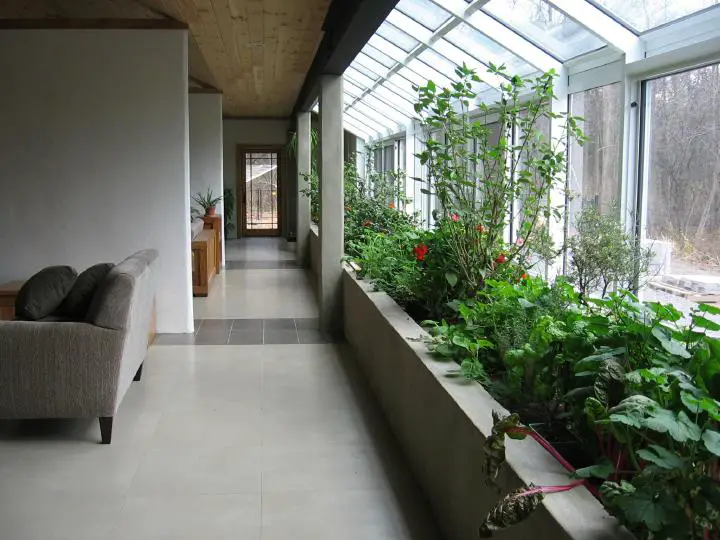
Photo Courtesy of Nancy A Fink
The benefits of gardening are endless – you supply yourself with your own food, it’s cost efficient, and you save money. But some people don’t have the space to have their own complete garden. Granted that space is indeed limiting, there are still options for gardening, and don’t be afraid to do it indoors.
Like Organic Soul on Facebook
Why Everyone Should be Gardening
With the proliferation of pesticides, artificial fertilizers, genetically modified foods, and poor labor practices around the world, you’re left with a few options: 1) ignore the moral and health malpractices, and buy the food; 2) buy organic (which is a great choice, by the way); or 3) grow your own food. To me, it’s a combination of the last two – I support organic farming and the organic mindset in agriculture, as well as a personal approach to growing as much of my own food as possible.
Besides avoiding the dark business of conventional farming, gardening holds other benefits too. It’s relaxing, allows you to get in touch with nature (she did, after all, create us), provides a platform for exercise, promotes engagement with others and your community, and puts you in the position to think critically – what plants will work best side-by-side, how much do you need to water, and when is the right time of year to plant? Plus, it allows you to save a couple extra bucks every month in grocery costs.
The Indoors Green thumb
Sound good? Great. Now how do we go about this indoors?
First, decide what scale of operation you want to work with. “How large is my apartment?” is a question you should be asking yourself. This will have direct bearing on how much you can plant, clearly. Now would also be the good time to ask yourself whether you want to plant organic vegetables, flowers, spices, or some other variety of plant (maybe a dwarf fruit tree?). This is also the time to identify your lighting situation, as it will have make-or-break influence on the vitality of your plants. Herbs and vegetables, for example, will require direct, bright sunlight, while plants like peace lily and fern can manage in low-light situations.
Next, think of this ideal plant, do some research, and figure out how much space that vegetable or plant will take. A dwarf fruit tree, for example, might grow as tall as 10’ – but with proper pruning, you can keep it pretty manageable. This might be better choice for a patio, if you have one. If your apartment is ultra-tiny – one of those one-room apartments – a spice garden might be a better idea.
After you’ve planned out what size of garden you’ll tend to, what will be in the garden, and where it will be, now’s the time to commit to your plan and go forward with getting your supplies. Many people enjoy container gardening (solid pots), which are great for tiny plots of, say, strawberries or tomatoes. Other people like to step it up a notch and purchase indoor garden system with lights and hydroponics. While I’ve never been much of a fan, this is a great idea for someone who wants to really undergo a serious indoor operation.
Tips for Success
If you’ll be doing a nice operation of gardening, you might want to consider indoor composting as well. There are some great system for this, like Bokashi, that are no-smell and easy to manage. This will supply you with awesome fertilizer for your plants, helping promote sustained growth and great yields.
In addition to that, be sure you cover all your bases concerning flooring, airflow, and humidity. The last thing you want to do is make a huge mess of water (potentially making your landlord upset). Likewise, you want to be sure to get your plant the right balance of airflow (most plants like it breezy) and humidity (water moisture is also always good). Personally, setting up a plant with a water dish underneath the pot, by the window, seems t work out well at my home.
Then again, experiment, have some fun, and try out new plants and ideas. Tell us your thoughts, experiences, and comments below! You’re now officially an indoor grower!