Feeling bloated? Are you curious about what in your diet is causing you not to fit in your favorite pants? Individuals vary, but there are some things that every person can benefit from (and reduce bloating!). Here are a few tips on how to avoid this as well as how to alleviate your discomfort!
Like Organic Soul on Facebook
1. Exercise
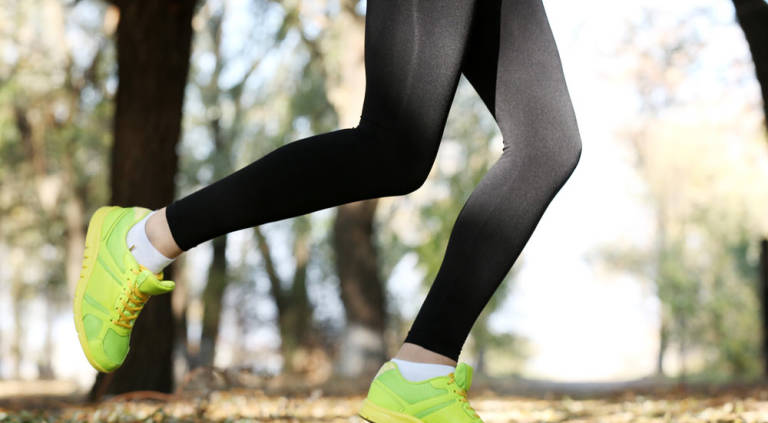
It's everywhere. When you're watching TV, there are commercials trying to persuade you to buy their muscle-building, lean-making products and machines, but you don't need to have those things in order to exercise. Some of us are too busy to exercise, but it only takes twenty minutes to walk a mile if you're going three miles-per-hour! Exercise is overall beneficial for your health, and should be done regularly. Exercise helps get rid of the excess water in your body that causes bloating. Develop an exercise regimen!
2. Drink Fluids And Stay Hydrated
Whether it be water or cranberry juice – keep your body hydrated! However, keep in mind that an excessive amount of water in your body is unnecessary and may be a reason why you're feeling bloated. The recommended amount a day is eight 8-ounce glasses of water a day – the eight by eight rule. Stick to it and you'll be in the clear!
Keep in mind that if you're sticking to rule number one, you want to increase your hydration accordingly!
3. Eat Smart
Reduce the intake of foods that are known to have negative effects on your waistline because of bloating. Cauliflower, broccoli and beans are great for your body, but they do cause bloating, so reduce your intake of them. Instead, try asparagus and some fruits if you're not fructose-intolerant (bananas and apples are good snacks if you want to reduce bloating, but should be avoided if you're fructose-intolerant).
Also, many people see a benefit when eating gluten-free. Gluten is a protein found in a number of grains; for example, it is in wheat, barley and rye. People who are gluten-intolerant may experience digestion problems when consuming these grains. Consider rice patties or other alternatives!
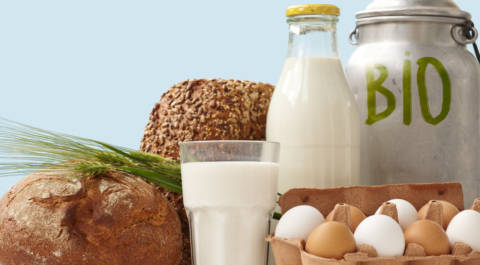
If you're lactose-intolerant, there are many substitutions for dairy foods like milk. Almond milk is my personal favorite – whether it be original or vanilla, it's delicious. If almond milk is too nutty for you, there's rice milk – sweetened or unsweetened. Finally, you may want to consider raw milk – yes, raw milk. According to Raw Milk Facts, “Unheated milk contains its full complement of enzymes and lactase-producing bacteria needed by our bodies to break down and assimilate the milk sugar lactose.” That means those who are lactose intolerant will still be able to consume this great source of nutrition!
Also, too much salt also causes bloating because it keeps that excess water in your body (avoiding too much sodium is always a good idea).
4. Pay Attention To How You Eat Your Food.
Another reason some individuals become bloated is because they eat too fast. When you eat fast, you don't really take small bites and chew your food completely – you just gulp it down like it's your first meal. Chewing your food completely and eating slow also reduces how much food you consume because you get full faster than if you eat faster. If you're like me, eating at a slow pace is a challenge – that's why I eat hotter foods; it forces me to eat slowly to avoid burning my mouth (ouch!). Also, you can savor and enjoy what you eat more. It's never too late to change how you eat your food!
Delicious Snack Ideas
If you're thinking about eating some veggies, avoid eating them raw because that causes bloating – try steaming them. You’ll lose nutritional value, but our focus here is beating bloating – you’ll have to make sacrifices! To be frank, the science is kind of split on this. While steaming the food may help in some case, lack of digestive enzymes (which would be the cause of bloating) may be remedied by an increased consumption of healthy, organic, raw food. You may want to consider enzyme supplements if can't seem to find the right food combination. Of course, consultant a doctor before taking anything extreme!
If you're into peanut butter or cottage cheese, try putting it on a rice cake instead of wheat bread. Rice cakes are great because they're only around 30 calories, lack a significant amount of sodium and they taste good!
If you're bored and feel like snacking on something, why not blueberries? They're healthy and they don't cause bloating.
Every person experiences bloating at one time or another (as they should), but reducing it will make you feel more comfortable on the inside and the out. Remember, a lot of healthy foods cause bloating but don't cut them out of your diet completely– just eat less of it, especially if you know it doesn't sit too well with your body.
Now go work on feeling your best again and say goodbye to bloating!